Documenting how photographic conditions shape the digital representation of ceramic objects.
This archive examines how lighting, reflection control, shadow, and other photographic decisions affect the visibility of ceramic form, surface, decoration, colour, and materiality in two-dimensional digital images.
Each case study presents paired images alongside production paradata, comparative observation, and visual interpretation.
Key Concepts
|
CONCEPT 01
Photography Is InterpretiveCeramic photography is not a neutral act of copying. Lighting direction, diffusion, reflection control, and exposure determine which visual characteristics become visible, reduced, or obscured in the resulting image. |
CONCEPT 02
Why Paradata MattersParadata records the conditions, adjustments, and decisions involved in producing an image. It allows visible differences to be understood as effects of image production rather than changes in the ceramic object itself. |
CONCEPT 03
Paired ComparisonEach case study compares a control condition with a variable condition. These terms identify different photographic settings and do not describe an incorrect and a correct image. |
Case Studies
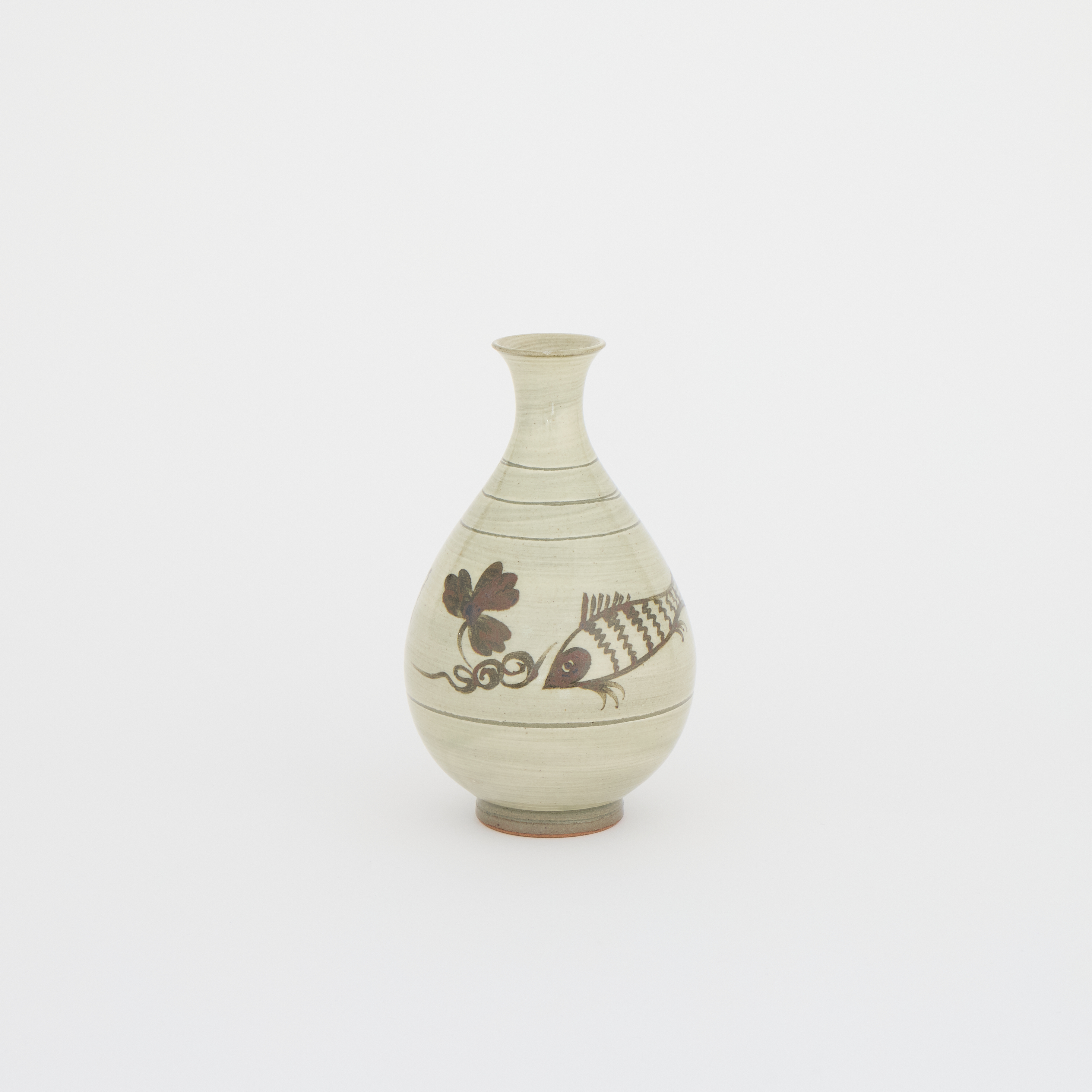 Buncheong WareExamining how photographic conditions affect the visibility of surface texture, decoration, and material variation in buncheong ware. |
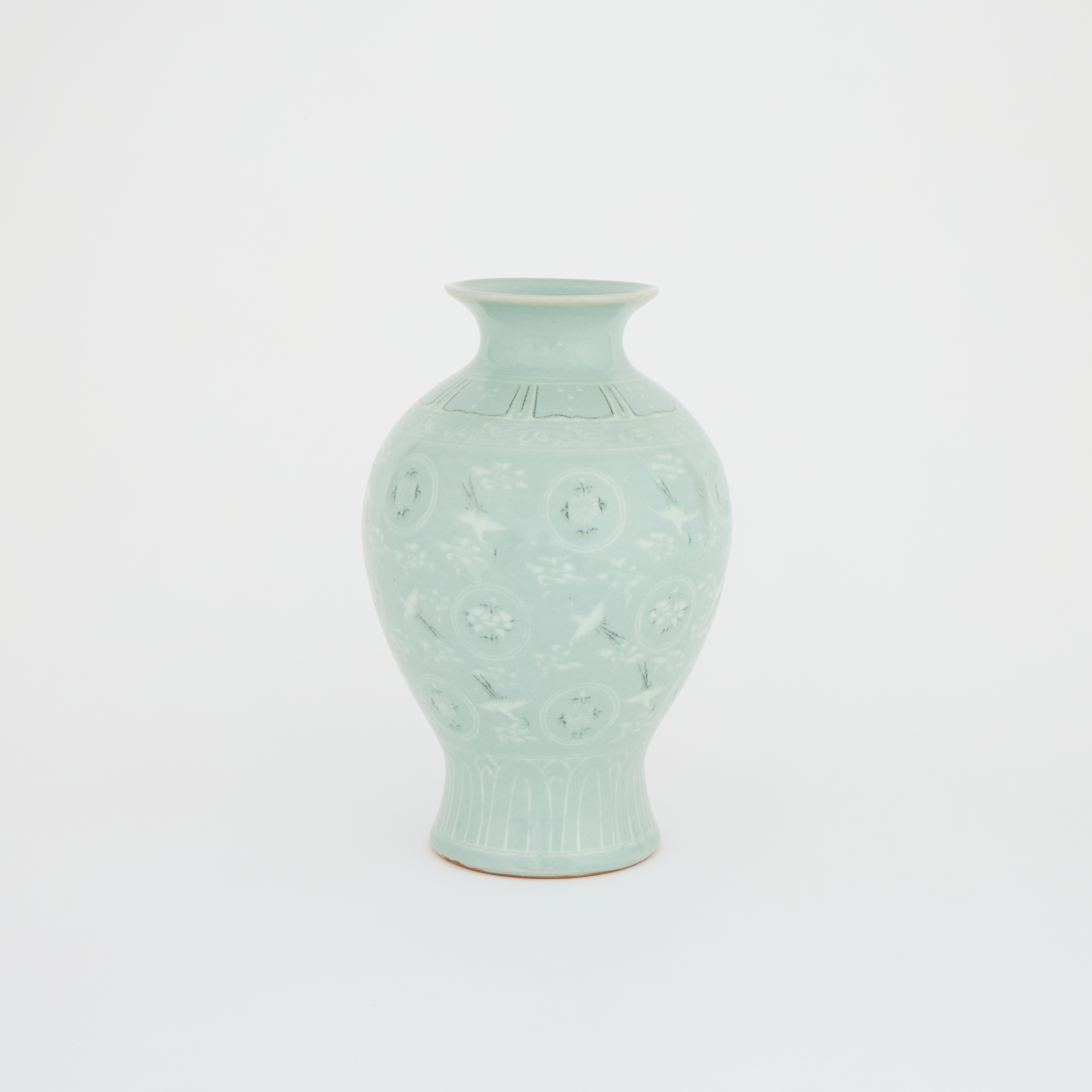 CeladonExamining how lighting and reflection control affect pale glaze colour, low-contrast decoration, and the retention of visual information. |
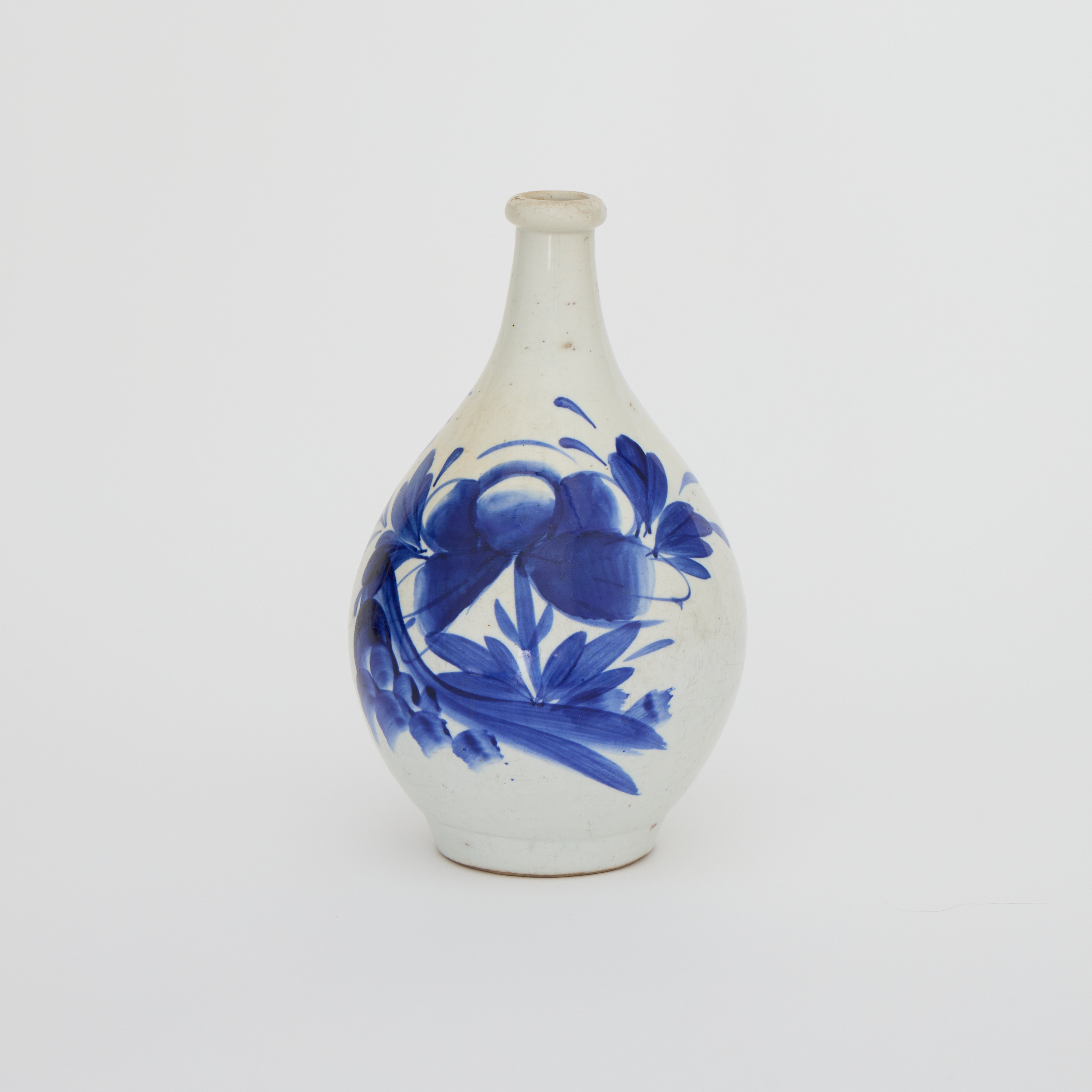 Blue-and-White PorcelainExamining how reflection and tonal separation affect the visibility of cobalt-painted decoration and vessel contours. |
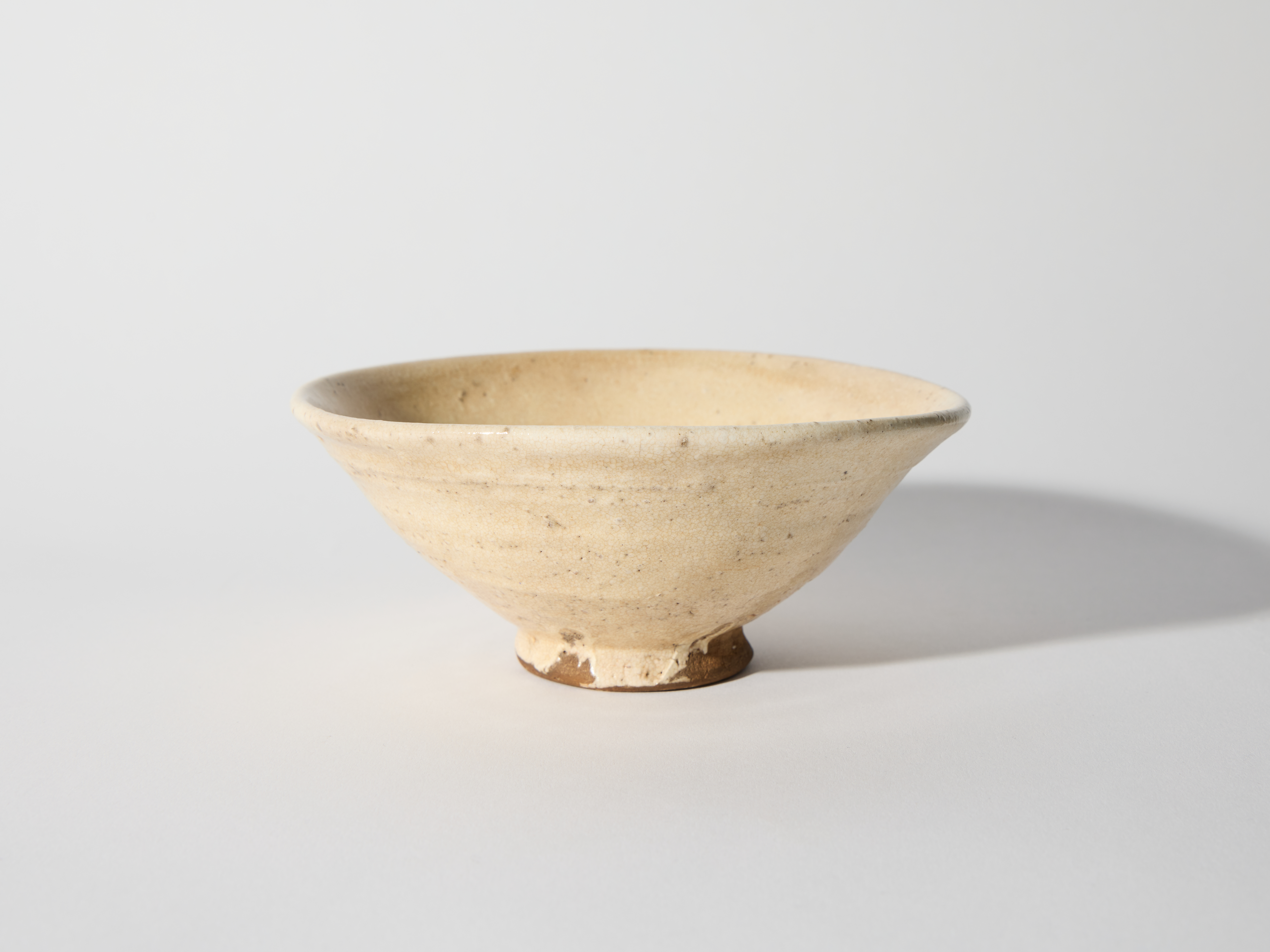 Ido ChawanExamining how directional lighting and shadow support the perception of irregular form, rim thickness, and surface texture. |
How to Read the Archive
|
1
CompareExamine the control and variable images for differences in form, surface, decoration, colour, reflection, and shadow. |
2
InterpretReview the recorded production conditions and connect them with the visual effects observed in the paired images. |
3
ExploreOpen the annotated detail comparisons and consult the linked full media records for complete production paradata. |
What the Archive Records
Each media record documents the production conditions and photographic decisions that shaped the resulting digital image.
Photographic ConditionsImage role and view type |
Camera and File ProductionCamera settings, where recorded |
Photographic DecisionsPhotographic intention |
Observation and InterpretationVisual observation |
Methodological Note
This archive does not claim that one image provides an absolutely correct or true representation of a ceramic object. Instead, it documents how different photographic conditions retain, reduce, or reorganise particular forms of visual information.
The terms control condition and variable condition identify different image-production settings rather than incorrect and correct images. Observations are limited to visible differences within the paired digital images.
Production values that were not recorded at the time of photography are identified as not recorded rather than reconstructed retrospectively.
Ceramic Image Paradata Archive
Research, photography, and records by Wook Kim